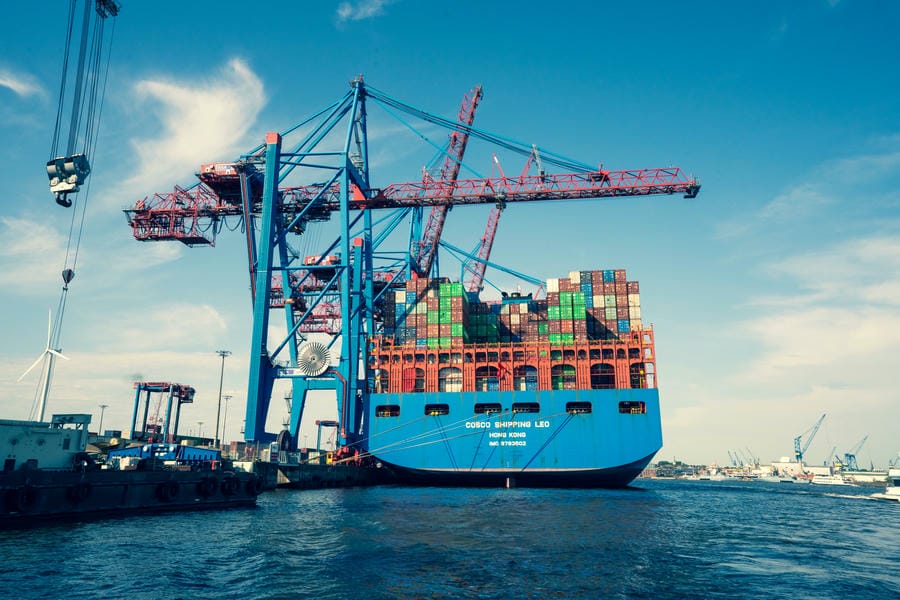
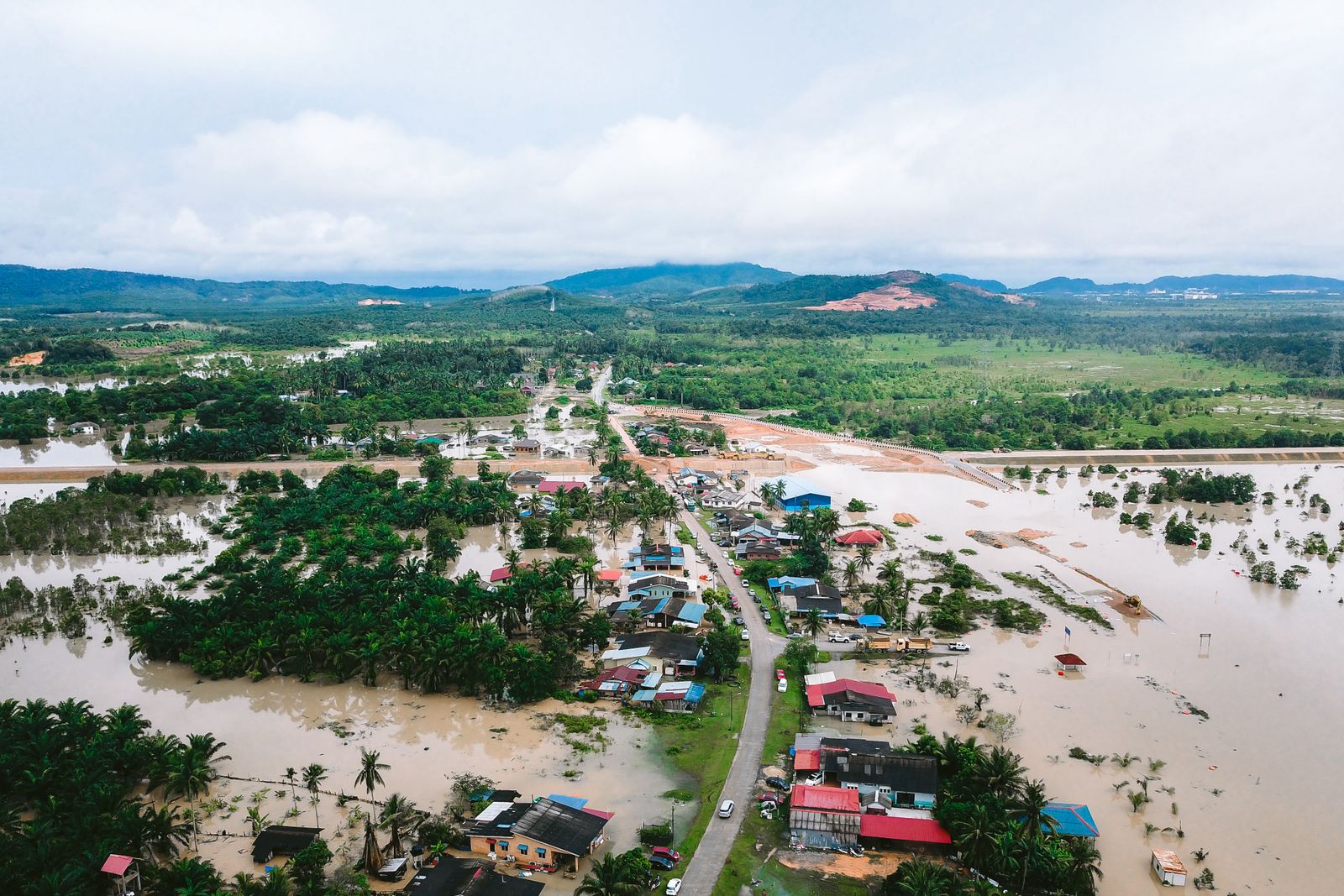
The shipping industry's risk profile has been reshaped by climate regulation faster than any other transport sector. IMO's carbon intensity regulations (CII and EEXI) are in force and tightening. EU ETS extension to maritime is phasing in, with financial exposure for voyages into and out of EU ports. Listed operators in Singapore and Malaysia carry climate disclosure obligations under ISSB. For ports and logistics operators, physical climate risk is now an operational continuity question, not a theoretical one.
AI is the second front. Routing optimisation, autonomous navigation trials, and AI-driven port operations create a liability profile that traditional marine wordings were not written for.
Who we work with
Shipping lines and vessel operators. IMO carbon intensity ratings have financial and operational consequences. Transition plans made publicly create D&O exposure if execution slips, and climate disclosure obligations on listed operators add a securities-litigation dimension. None of these typically respond cleanly under a standard shipping D&O wording, and the specialist cover that does respond is placed through a small number of London and continental markets.
Port operators and terminal businesses. Typhoon, storm surge, and monsoon impact on SEA ports is a measurable operational-continuity exposure. Parametric weather cover pays on a defined trigger at the port location, with a claim mechanic that responds in days rather than months. It is additive to, not a replacement for, traditional property damage and business interruption, and it is particularly useful where BI cover is capped or sublimited for climate perils.
Third-party logistics and supply-chain operators. Supply-chain ESG disclosure (modern slavery reporting, CSDDD, Uyghur forced-labour rules) passes through from end-customers to 3PLs. If your contracts make ESG representations, you carry liability. And 3PLs using AI for route optimisation, warehouse automation, or freight matching have an AI liability profile their existing wording may not pick up.
Autonomous systems and maritime technology operators. Remotely operated vessels, autonomous port vehicles, and AI-driven terminal operations sit at the intersection of marine liability, product liability, and AI liability. No single traditional wording covers the full exposure. Specialist AI liability and emerging tech E&O placement is the response, and the category is evolving quickly as autonomous systems move from trial to commercial deployment.
How Emerge approaches marine, shipping, and logistics
Emerge is the full-spectrum insurance and risk specialist for Southeast Asia's marine and logistics sector. Alongside the conventional marine programme, IMO transition D&O, parametric weather for port and voyage delay, AI liability on routing and autonomous systems, and supply-chain ESG liability are where our specialist capability goes deepest.
Capacity for these lines is concentrated in London and Singapore specialist markets. The placement work is in knowing which markets underwrite what, at what size, and submitting to a standard those markets accept.
Request an emerging-risk exposure review for your shipping or logistics business →