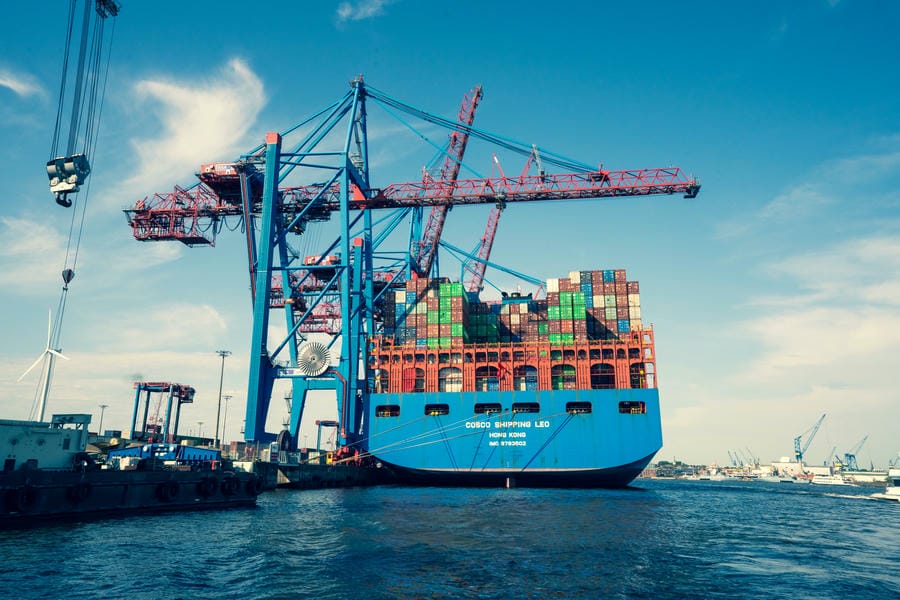
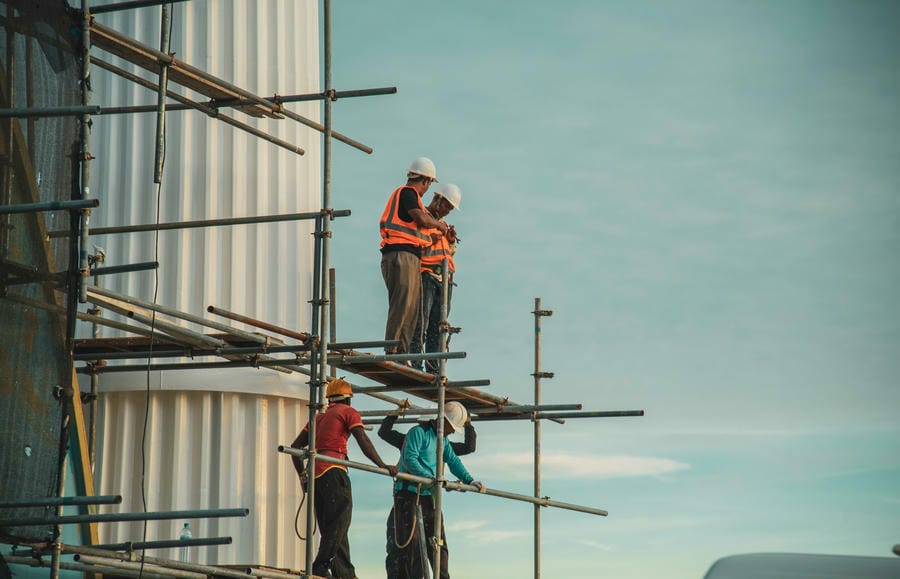
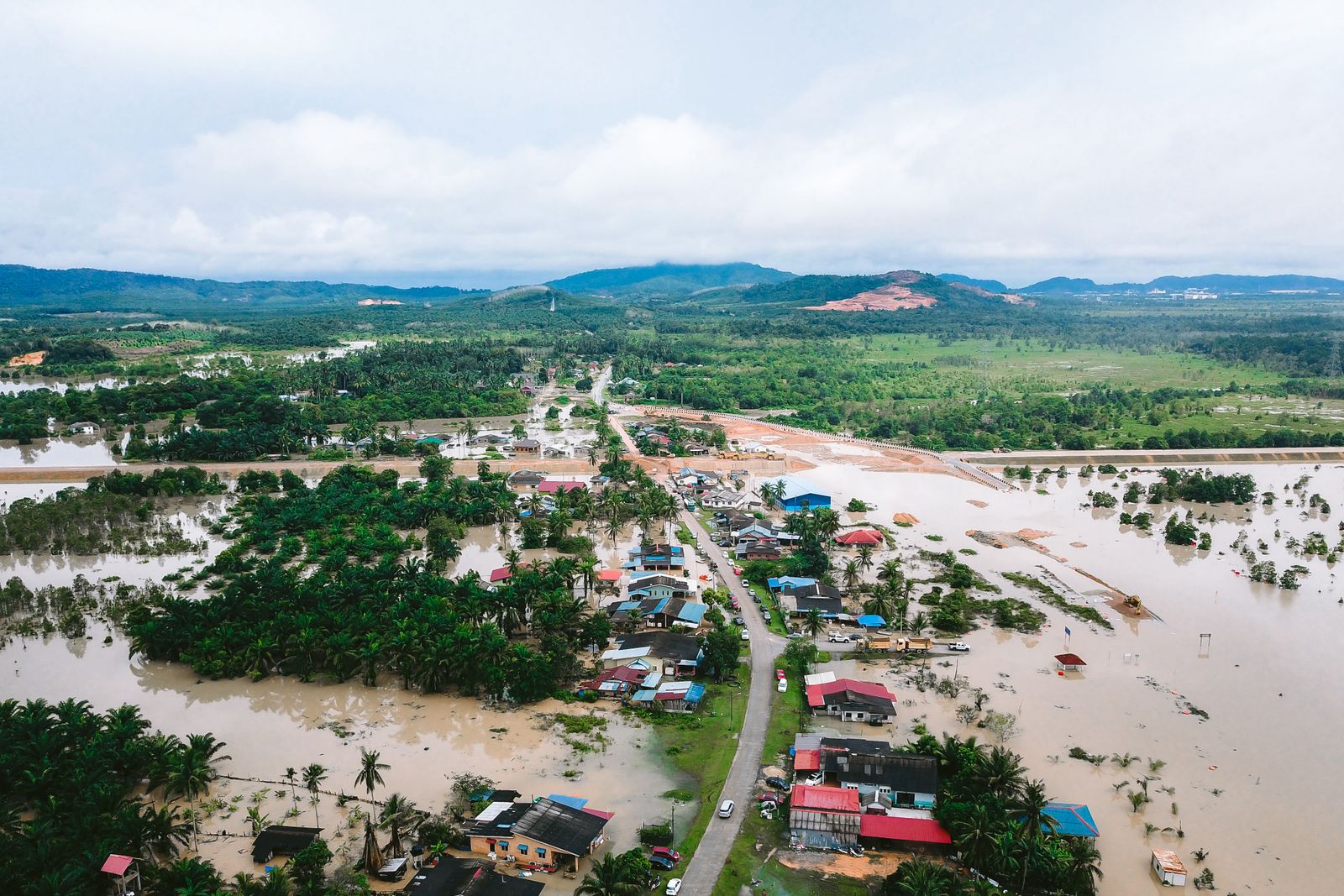
Contract All Risk at Emerge. CAR is the physical-damage and third-party liability backbone for construction projects. For mid-market and larger developments, the placement decision is rarely about base premium. It's about how wordings handle defective work, existing property, principal-controlled vs contractor-controlled structures, and the handover to operational covers at practical completion.
Core covers we place
- Physical loss or damage to the works, temporary works, and construction materials during the project period, including storage on and adjacent to site.
- Third-party liability for bodily injury and property damage arising from construction activities.
- Defective design, material, and workmanship extensions, structured via Munich Re's DE1 through DE5 series. One of the most financially material decisions in CAR placement.
- Existing property and surrounding property cover, for developments adjacent to or incorporating existing structures.
- Professional fees, debris removal, extra charges for express freight, and other standard extensions.
- Maintenance period cover, typically 12 to 24 months depending on contract terms.
Where CAR placements commonly break
CAR is high-stakes. Wording quality separates a defendable claim from a contentious one.
- Principal-controlled vs contractor-controlled structure. Who arranges the policy determines who has the primary relationship with the insurer. Principal-controlled CAR gives the developer control and continuity across contractors, but sets up different cross-liability dynamics. Worth deciding deliberately.
- DE clause selection. DE3 is the Malaysian default, but whether DE3, DE4, or DE5 is appropriate depends on the scope and sophistication of the design and contracting chain. Getting this wrong is expensive.
- Existing structures wording. If the project modifies or is adjacent to existing property, the existing-property clause must be reviewed carefully. A common claim dispute.
- Delay in Start-Up (DSU) / Advance Loss of Profits (ALoP). For revenue-generating developments, DSU/ALoP is often more financially significant than the physical damage cover. Standalone, placed alongside.
- Handover to operational Fire and BI cover. The moment CAR ends and Fire/BI begins is a common gap. Plan it at placement, not at practical completion.
- Contractors' Plant and Equipment. Plant owned by contractors is typically excluded and needs either CPE cover or an extension. Frequently missed.
How this fits into the project risk program
CAR is placed alongside EAR for projects with significant equipment installation, and alongside Performance Bond for contractors taking on principal-side obligations. For international projects, Marine Cargo bridges supplier to site. At practical completion, CAR transitions to Fire and Property for the operational phase and to Public Liability for ongoing third-party exposure.
Projects over RM 20 million typically benefit from a structured broker-led placement that evaluates both domestic and London-market capacity. If you're bidding on, or about to break ground on, a project that size or larger, the placement conversation should be happening now.