Fire & Property Insurance at Emerge. Fire is the oldest commercial insurance product in Malaysia and the one most commonly underpriced for real exposure. We place Fire and Business Interruption as a single program structured against actual replacement cost, realistic indemnity periods, and the specific business continuity profile of your operations. The premium is the easy conversation. The sums insured and BI structure are where the real protection lives.
Core covers we place
- Fire and Special Perils covering fire, lightning, explosion, aircraft damage, impact damage, bursting of water pipes, and named perils extensions.
- Industrial All Risks (IAR) for an all-risks form covering physical loss or damage from any cause not specifically excluded. Standard for most mid-market industrial placements.
- Business Interruption (BI) covering loss of gross profit, increased cost of working, and extensions for supplier and customer dependence.
- Machinery Breakdown for sudden and unforeseen mechanical or electrical breakdown, separate from Fire cover.
- Extensions for flood, storm, earthquake, strike, riot, civil commotion, malicious damage, and other named perils as appropriate to location and occupancy.
- Specific extensions for goods in trust, machinery in transit, debris removal, professional fees, and public authorities' requirements following a loss.
Where Fire and Property programs commonly break
The biggest pattern across the mid-market: programs renewed against book value, not replacement value. Four downstream problems follow.
- Underinsurance and the average clause. Most Fire policies contain an "average" clause that reduces a claim proportionally if the sum insured is below actual value. A 30% underinsurance on a RM 20M loss costs RM 6M of recovery. The cost of a current valuation is trivial compared to this.
- BI indemnity period too short. The standard 12-month indemnity is often too short for manufacturers dependent on specialised equipment, where realistic rebuild and re-commissioning timelines run 18 to 24 months. The right question is how long it would actually take to be back at full revenue.
- Gross profit basis calculation errors. BI gross profit figures are frequently calculated on a simplified basis that excludes or miscategorises variable and fixed costs. This matters when the claim is being adjusted.
- Supplier and customer dependency gaps. Many mid-market manufacturers have concentrated supplier or customer exposure that standard BI does not respond to without specific extensions. A material gap for E&E manufacturers dependent on a small number of upstream suppliers.
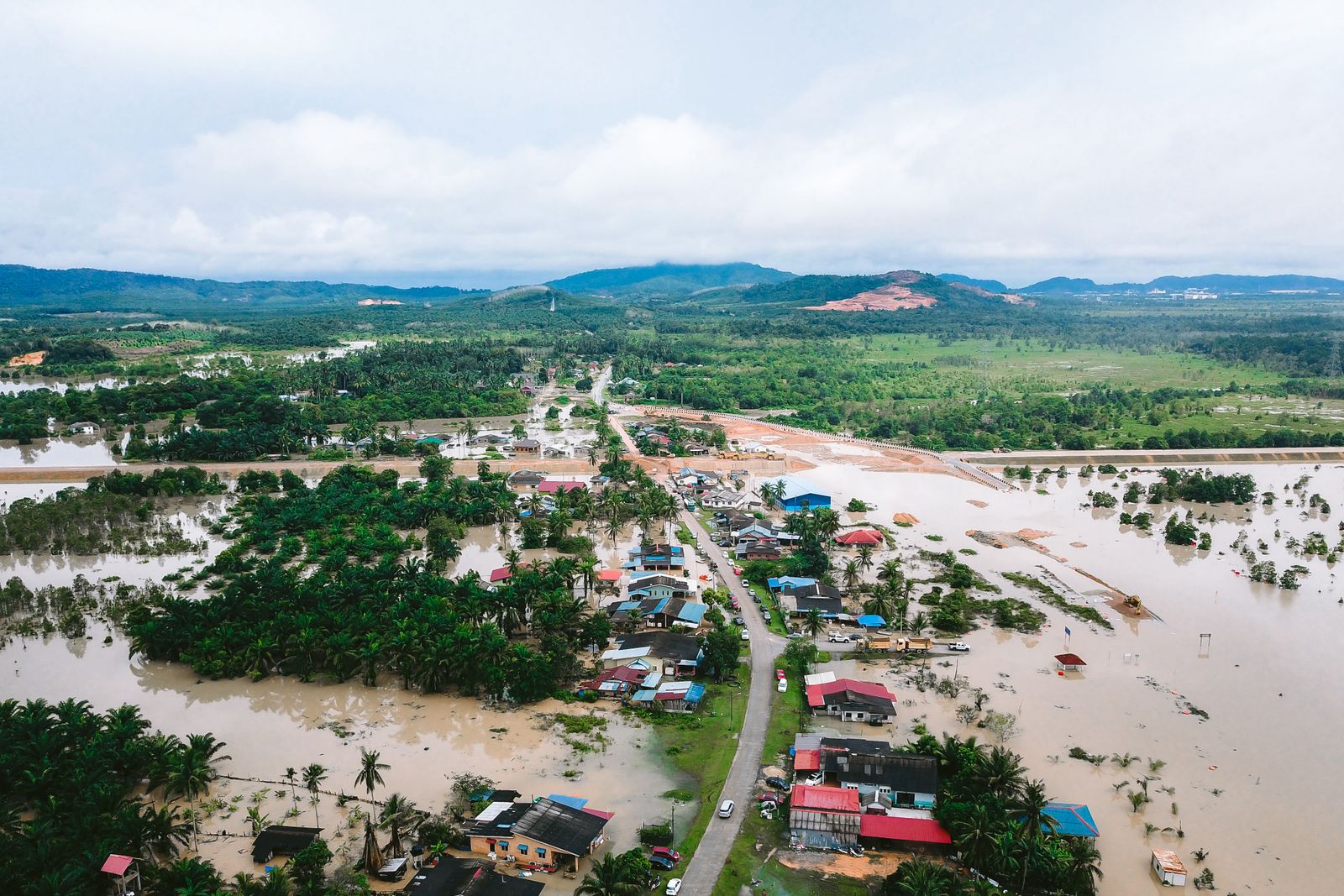
- Flood and catastrophe exposure not priced in. Climate risk is reshaping underwriter appetite. Carriers are tightening terms for flood-exposed and coastal locations. Programs renewed on last year's terms without a live market test often leave value on the table.
The climate and sustainability angle
Physical climate risk (flood, storm intensification, heat stress on equipment) is changing how carriers underwrite Fire and Property in Southeast Asia. For companies subject to sustainability disclosure under Bursa Malaysia or ISSB-aligned frameworks, your property risk profile is increasingly a disclosure topic, not just a premium topic.
How this fits into your commercial program
Fire and BI sit at the core of any commercial program, alongside Liability, Marine Cargo, and Machinery Breakdown. For construction and manufacturing operations, the handover from CAR and EAR at practical completion needs to be planned at placement, not after.
If your current sum insured hasn't been revalidated in three or more years, or if your BI figure was last calculated more than two years ago, a 30-minute review almost always surfaces a material structural issue.