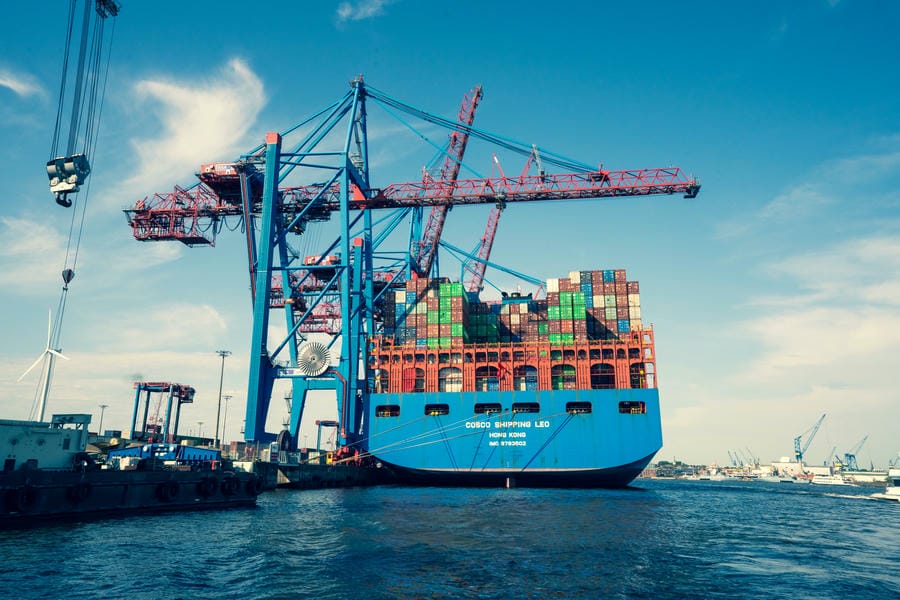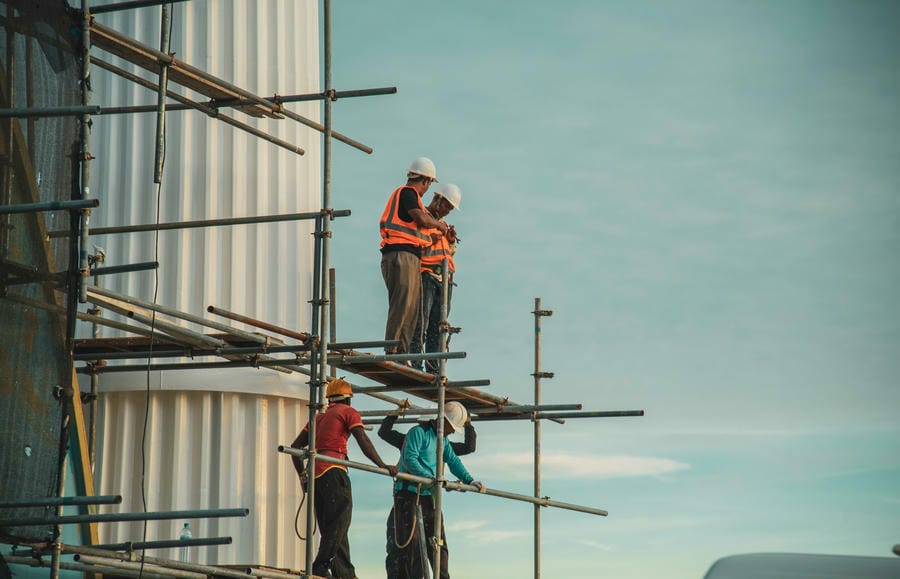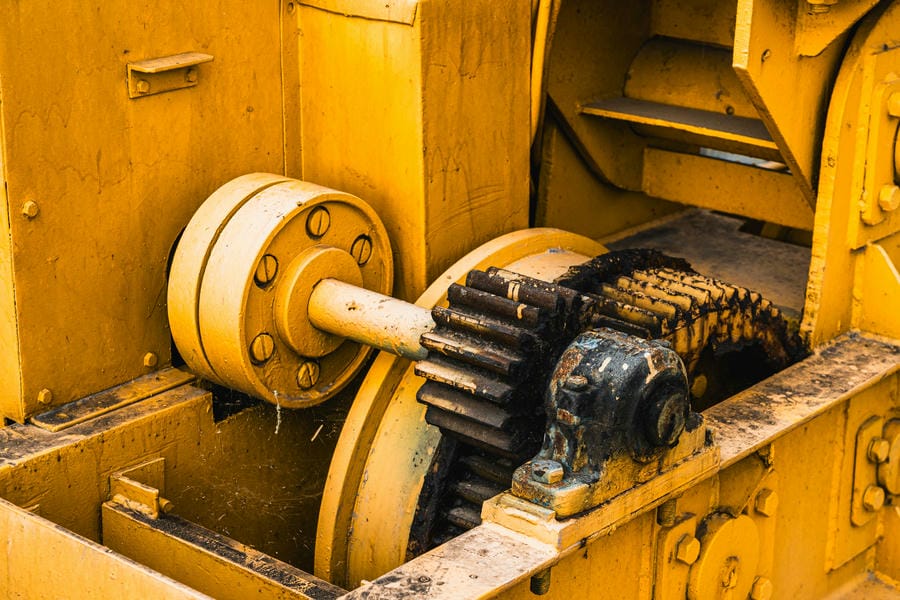
Erection All Risk at Emerge. EAR responds to physical damage during the installation, testing, and commissioning phase of machinery and plant. For mid-market industrial projects, placement is less about headline premium and more about the testing period, maintenance period, and commissioning wording, which is where most disputes originate.
Core covers we place
- Physical loss or damage to the insured plant, machinery, and equipment during the project period, including storage at site before installation.
- Third-party liability for bodily injury and property damage arising from the insured activities.
- Testing and commissioning cover, typically time-limited and subject to specific wording. The most common area of dispute in claims.
- Maintenance period cover, for damage arising from work carried out during the maintenance phase.
- Extensions available for: extra charges for express freight and overtime, debris removal, professional fees, offsite storage, transit from supplier to site.
Where EAR placements commonly break
The difference between a clean claim and a declined one usually sits in one of the following.
- Testing period scope and duration. The transition from installation to testing to commissioning has specific wording implications. A narrow testing clause can exclude the exact phase where most losses occur.
- Maintenance period extension. The maintenance period (typically 12 months) should respond to damage during defects-liability rectification. Standard wordings can be narrow, excluding damage to the maintained item itself.
- Defective design, material, and workmanship (DE clauses). Munich Re's DE1 through DE5 sets the benchmark for defect exposure. Malaysian placements sometimes default to the narrowest version when the project warrants broader cover.
- Cross-liability between parties. A mid-market project typically has a principal, main contractor, and multiple sub-contractors as co-insureds. Cross-liability wording determines whether one party can claim against another under the same policy. Regularly overlooked.
- Delay in start-up (DSU). Consequential loss from delayed commissioning is a standalone extension. For revenue-generating assets, often the more important of the two.
How this fits into the project risk program
EAR sits alongside CAR for projects combining civil works with equipment installation. The handover between the two at practical completion is a common source of coverage gaps and should be coordinated at placement. EAR is usually accompanied by Marine Cargo for international shipments and by DSU for revenue-critical commissioning. For government-linked projects, Performance Bond and EAR are typically purchased together.
If you're planning an installation or commissioning project in the next 12 months, the placement conversation starts 60 to 90 days before ground-breaking, not two weeks before site delivery.